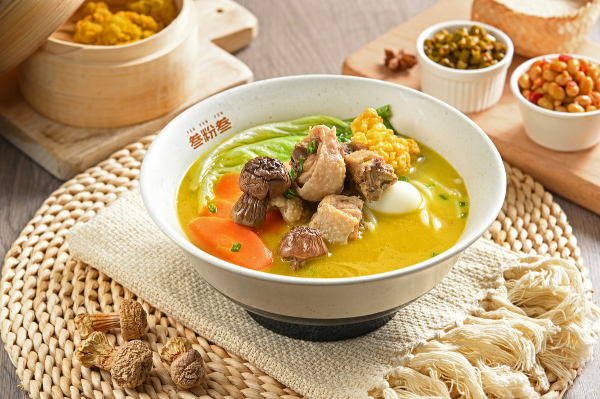
Traditional Chinese Diet
Introduction
The traditional Chinese diet is a significant aspect of Chinese culture, deeply rooted in history and characterized by a diverse array of ingredients and culinary techniques. It is primarily centered around staples such as rice and flour, which form the core of most meals. These staples are often accompanied by a variety of vegetables, meats, and spices, which reflect the regional diversity and agricultural abundance of China.
Dietary Staples and Cultural Significance
Rice and flour are fundamental to the traditional Chinese diet. Rice, in particular, serves as a staple food for much of the population, especially in southern China. It is consumed in various forms, including cooked rice, porridge, and rice noodles. Flour, on the other hand, is predominantly used in the northern regions to make noodles, buns, and dumplings. These staples are not only dietary essentials but also hold cultural significance, as they are integral to numerous traditional festivals and ceremonies.
For the older generation, a typical meal consists of porridge or noodles for breakfast and dinner, with rice often served during lunch. This staple-heavy diet has been passed down through generations, becoming a cultural norm.
Nutritional Debate and Modern Challenges
The traditional Chinese diet has been at the center of nutritional debates in recent years. Zhang Wenhong, a prominent figure in the medical community, sparked controversy by suggesting that traditional breakfast items like porridge should be replaced with more protein-rich foods such as eggs and milk to improve health outcomes. He emphasized the importance of protein in strengthening the immune system, especially in combating viruses. His comments highlighted a broader discussion on the adequacy of the traditional Chinese diet in meeting modern nutritional needs.
The reliance on refined carbohydrates in the traditional diet has been criticized for its potential link to obesity. As the prevalence of obesity and related health issues rises, there is growing recognition of the need to modify traditional dietary practices to incorporate more balanced nutrition. This includes increasing the intake of vegetables, fruits, and proteins while reducing the consumption of refined carbohydrates.
Modern Approaches to a Balanced Diet
In response to the nutritional critiques of the traditional Chinese diet, modern dietary guidelines in China have started to emphasize the importance of balance and diversity. The 2016 edition of the Chinese Residents' Dietary Guidelines suggests incorporating elements of the Mediterranean diet, which is renowned globally for its health benefits. This approach involves using coarse grains for breakfast, consuming more whole grains, and reducing the intake of red meats in favor of fish and low-fat meats like chicken.
The guidelines also recommend using more vegetable oils instead of animal fats and increasing the consumption of fruits and vegetables. Such adjustments aim to retain the cultural essence of the traditional Chinese diet while addressing contemporary health concerns. By adopting these modifications, individuals can enjoy the rich flavors of traditional Chinese cuisine while promoting better health outcomes.








